
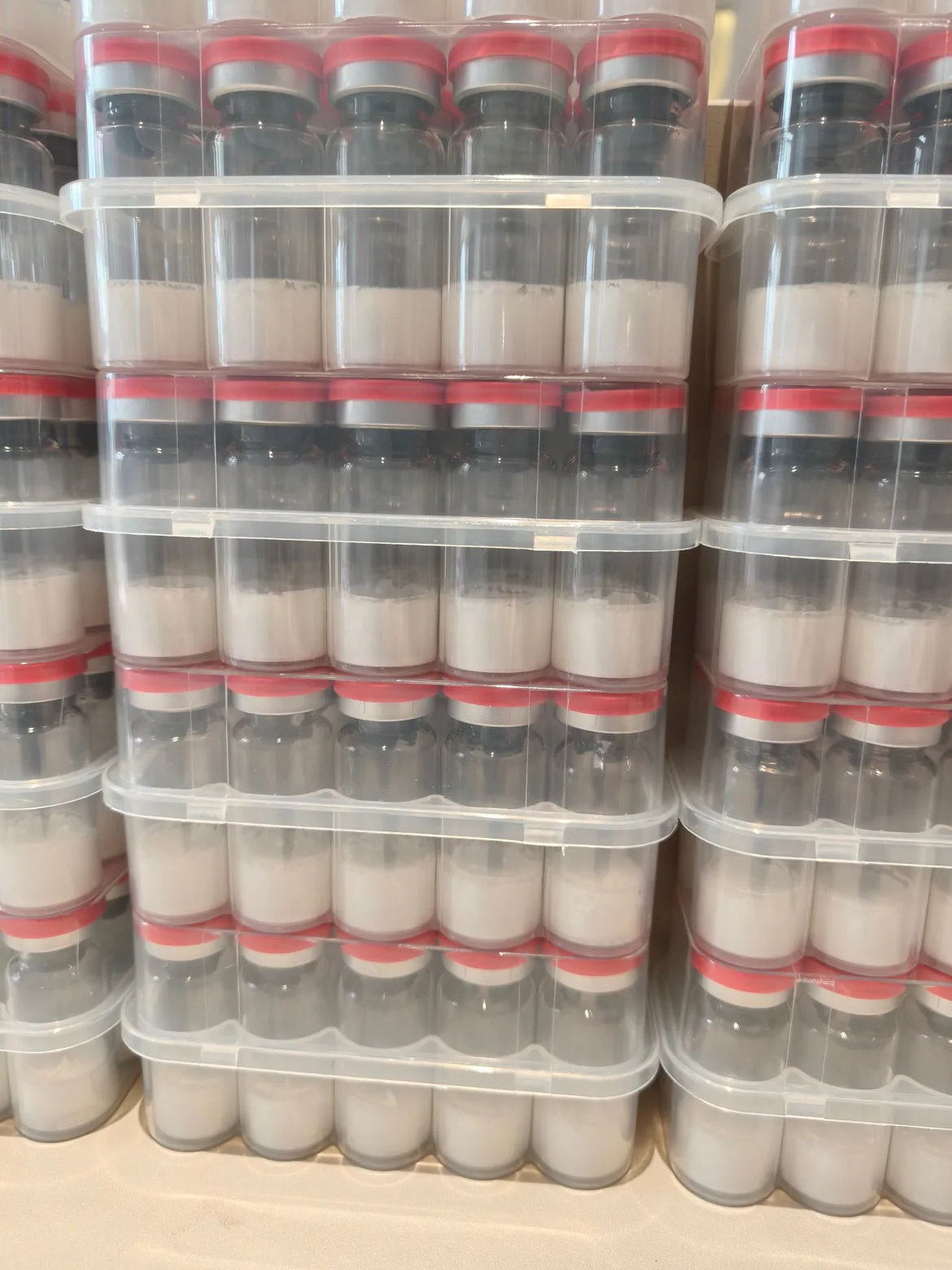
Match the closure to the process sequence
A stopper should be considered in relation to the matching vial and the sequence of processing steps. The intended position during freeze drying and the final seated position are different parts of the system. Ask for component drawings and material information relevant to the proposed configuration. A visually similar stopper is not necessarily interchangeable with the reference component.
Review material and geometry together
The review should include how the stopper is handled, how the assembly will be closed and which evidence is required before acceptance. Material information, moisture-related questions and dimensional fit may need different supporting records. If an alternative is proposed, identify the reason for the change and the assumptions that need testing. Avoid turning a component supplier’s general product description into a validated claim for your formulation. The project record should state which combination was evaluated and under what conditions, so later procurement does not replace one part without recognizing the implications for the complete package.
Keep component preparation assumptions visible
A stopper may arrive with a supplier-defined preparation state, while the user’s process may require additional handling. Record what is known and what needs confirmation before evaluating the final package. Do not assume that a treatment used with a previous material can be copied to a new component. Ask the responsible technical team to connect preparation assumptions with the planned assessment. This helps ensure that the samples used in evaluation are representative of the configuration and process actually being considered for the project.
Specify the stopper beyond its external shape
A stopper selection should identify the supplier reference, material description, relevant surface treatment and intended application. Geometry affects how the component interfaces with the vial, while material and treatment can affect other aspects of performance. The appropriate choice depends on the complete package and the product-specific requirements. A stopper that fits physically is not automatically suitable for every material or processing condition. Ask which technical information is available and which questions require evaluation in the intended assembled configuration.
Review the lyophilization and closure roles separately
During lyophilization, the stopper configuration may need to permit vapor movement before final closure. After closure, the system has a different task: maintaining the required package condition. These functions should be discussed together but not treated as identical. The relevant geometry, equipment interface and assembly conditions must be evaluated for the proposed system. Do not infer process suitability from a closure photograph alone, and do not assume that a component intended for another presentation has the same processing behavior.
Ask about the actual supplied condition
Clarify whether the proposed component is supplied in a particular processed, packaged or treated condition and obtain the corresponding documentation where available. The supplied condition can matter to handling and evaluation. If cleaning, preparation or another step is planned, identify who is responsible and how it is controlled. Keep these details in the system specification. They help prevent a later order from introducing an unnoticed change even when the component name and visible appearance remain the same.