
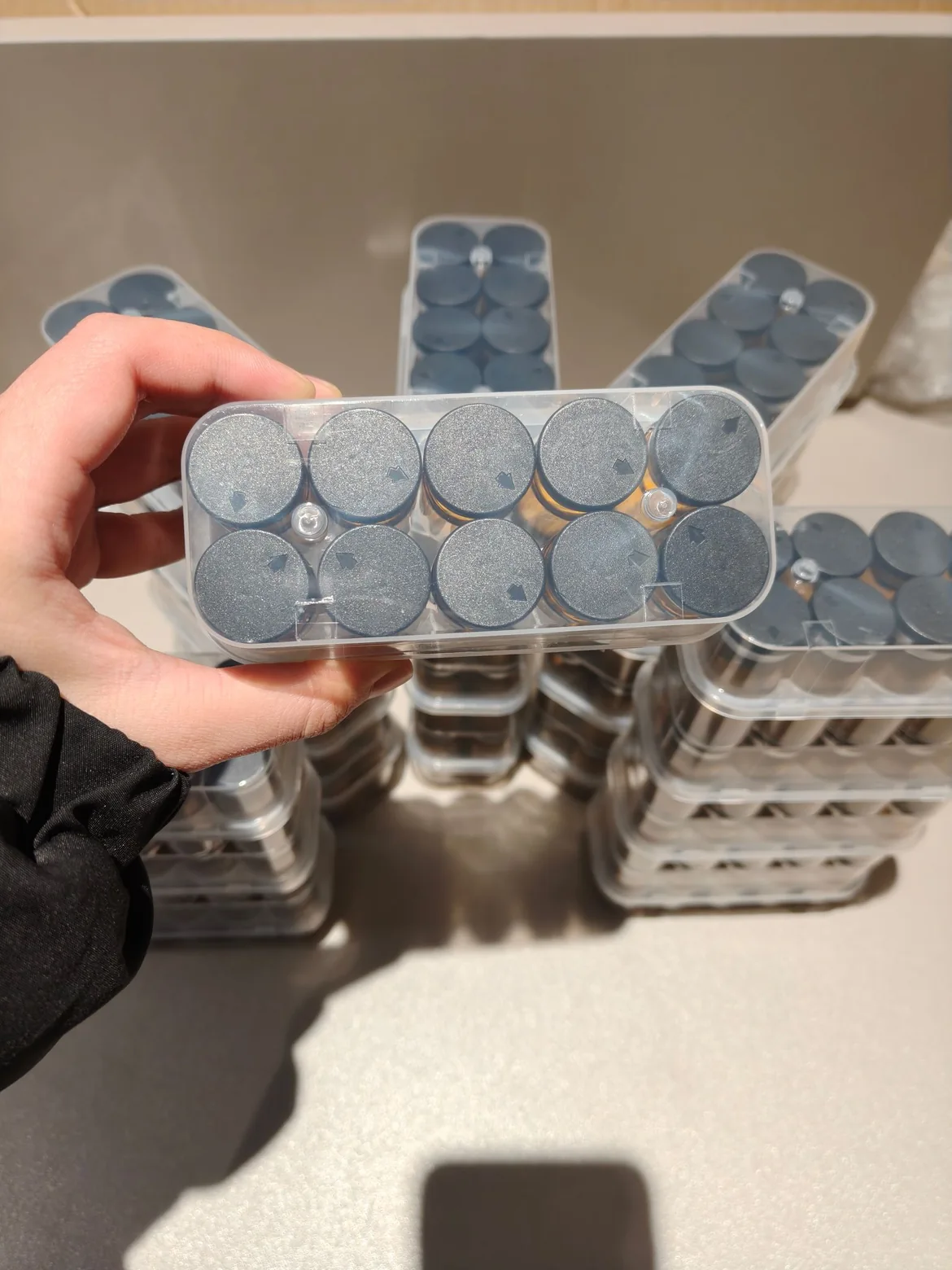
Vial and closure evaluation for freeze-dried cosmetics
Compare vials, stoppers, caps and transport protection as a system for non-sterile topical cosmetic materials. Prepare a component brief and evidence matrix.
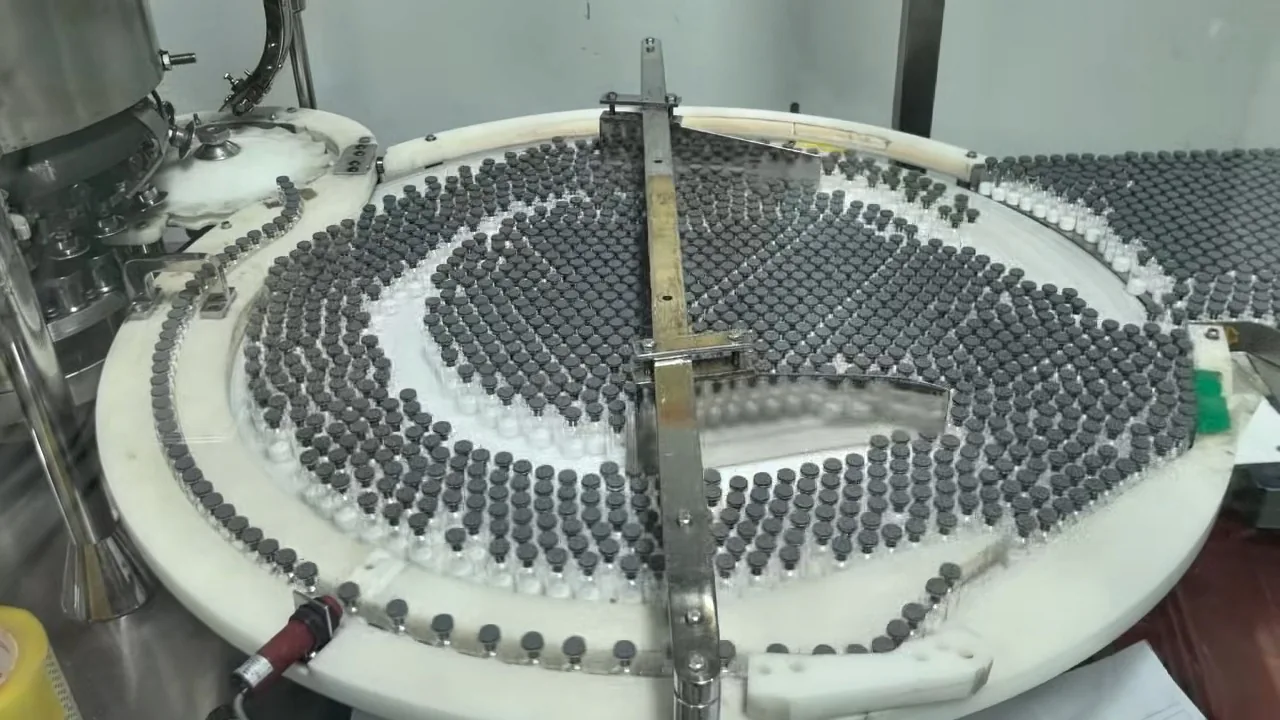
Vials, equipment and pack protection
Find a guide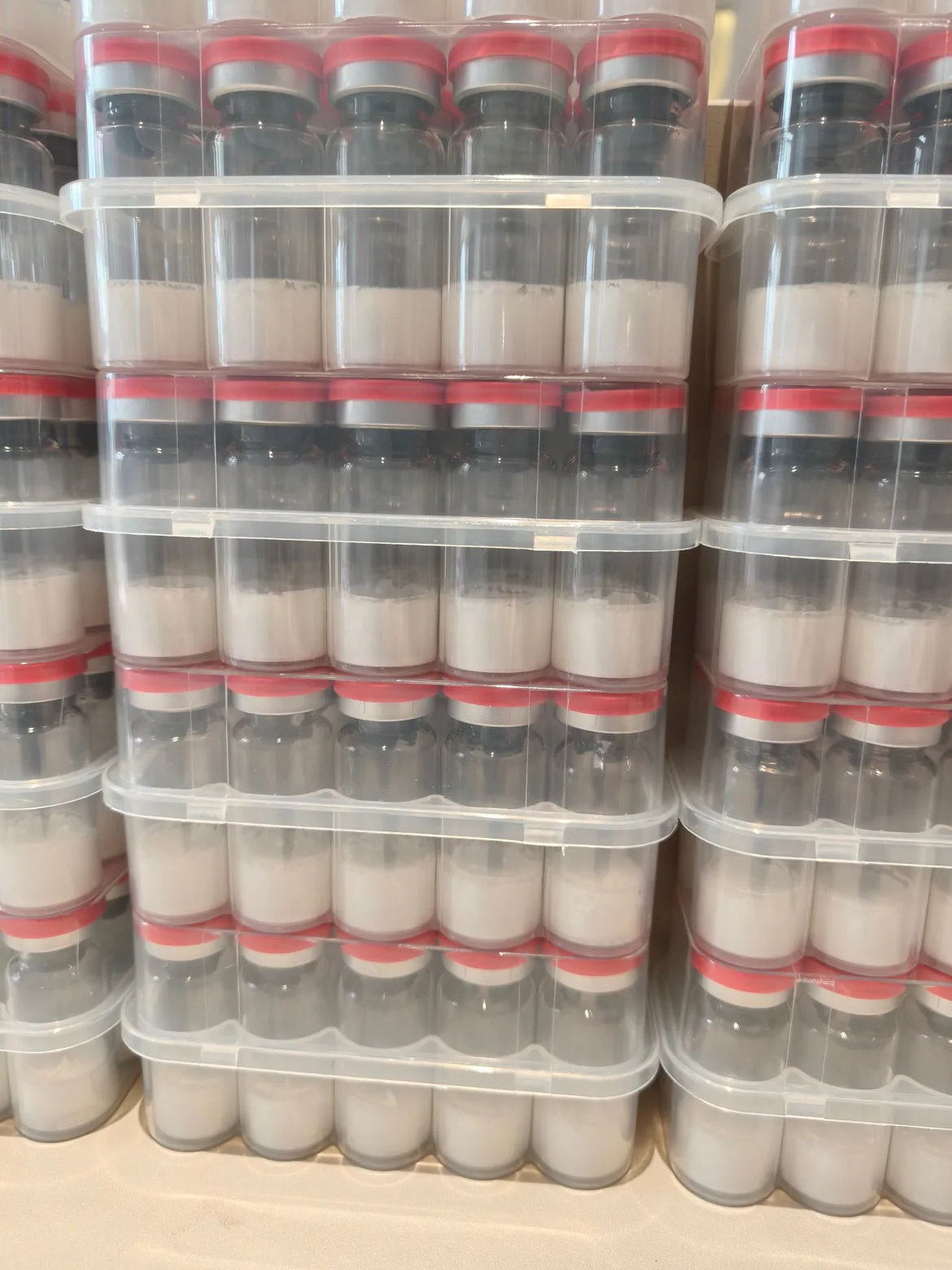
Select a Stopper for the Intended Vial System
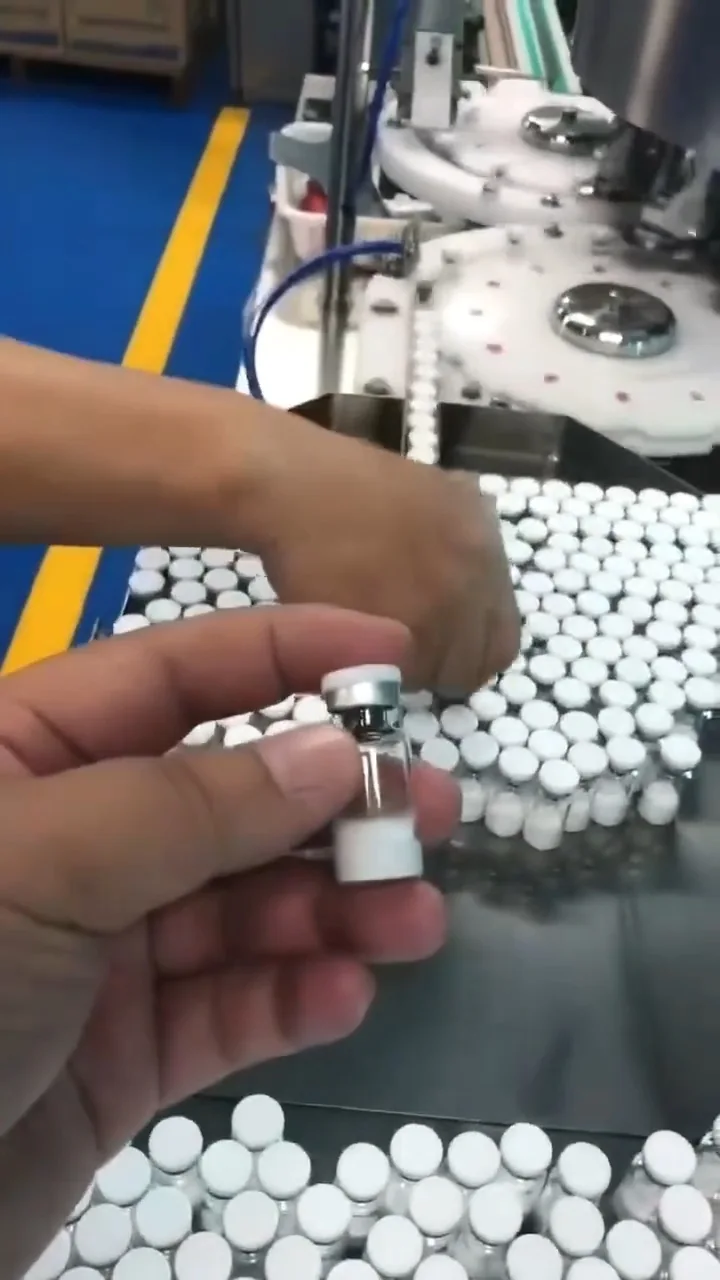
Review a Packaging Component Change
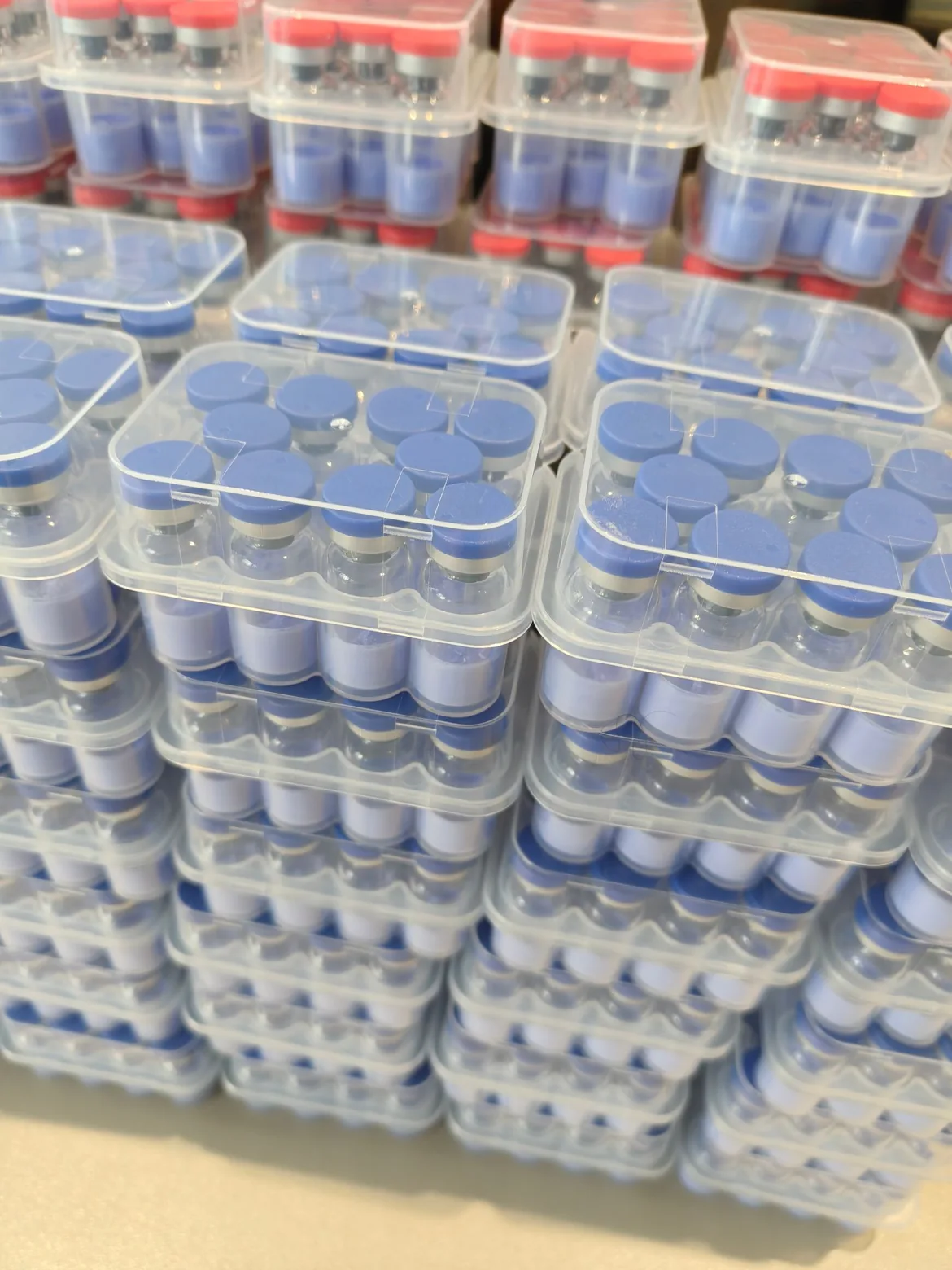
Protect Vial Assemblies During Shipment
Explore vial packaging
View all topicsVial and closure
Record vial, stopper, seal and process-interface details before comparing packaging options.
Evaluation evidence
Define the packaging question, candidate configuration and evidence needed before a technical assessment begins.
Process and samples
Consider how the vial configuration and loading arrangement relate to process development and transfer questions.
Transport and library
Review kit arrangement and outer packaging alongside the vial-and-closure configuration used in the project.
Define the parts, then review the assembled pack
Record component identities and agreed conditions before comparing the evidence from two packages.
Define the Vial Closure System
Record vial, stopper, seal and process-interface details before comparing packaging options.
Plan a Vial Packaging Evaluation
Define the packaging question, candidate configuration and evidence needed before a technical assessment begins.
Protect Vial Assemblies During Shipment
Review kit arrangement and outer packaging alongside the vial-and-closure configuration used in the project.
Guangzhou Celsentra Biotechnology Co., Ltd.
Vial Closure Works is a business website of Guangzhou Celsentra Biotechnology Co., Ltd.
No. 76 Fucong Road, Conghua District, Guangzhou, Guangdong, China- Founded
- 2017
- Production workshop space
- 4,000+ m²
- Freeze dryers
- 12
Workshop area and equipment count are company-reported figures. Confirm the equipment and schedule for your specific project.
Guides for project review
Explore the guide libraryAn Evidence Matrix for Vial Closure Decisions
Map component fit, assembly, integrity, material interaction and moisture questions to the evidence needed for a specific vial, stopper and seal configuration.
Empty Cosmetic Vial Supplier Quote Checklist
Send a complete brief for empty vial packaging, with component quantities, drawings, samples, label needs and the decision you want to make.
Clear vs Amber Glass Vials for Cosmetic Sample Packaging
Compare visibility, appearance and documented light protection evidence when choosing between clear and amber cosmetic vial samples.
Incoming Visual Inspection for Empty Vials and Closures
Prepare a receiving checklist with agreed visual criteria, packaging references and a documented hold route for empty cosmetic components.
Label and Barcode Review for Small Cosmetic Vials
Check physical label space, placement, readability and scanner behavior on the actual small cosmetic vial and its outer packaging.
Vial and closure decision guide
Treat the package as a complete system
A lyophilized vial package includes more than a glass container. The vial, stopper, seal, fill presentation and process interfaces need to work together. A component that looks suitable in a photograph may have a different geometry, material or handling behavior from the one your process requires. Begin with the complete system and the decision your project needs to make.
Start with the product and process interface
This website helps buyers and development teams prepare a structured package-selection discussion with Celsentra. Send component drawings where available, the product presentation, the intended process stage and the evidence required for acceptance. The evaluation scope may involve dimensional comparison, assembly behavior, package handling or a test plan agreed with a qualified provider. Availability of specific components and technical services requires project review. No package combination should be described as validated, sterile or suitable for a particular product merely because its individual components are commercially available. Keep the actual configuration and supporting records at the center of the discussion.
Make the first conversation specific
A packaging inquiry can start with an existing drawing or a clear description of a problem that needs investigation. State which part of the process is affected and what information you already have. If the goal is selecting an alternative component, identify the current reference. If the goal is developing a new presentation, describe the constraints that are fixed and those still open. This gives the technical discussion a practical direction and helps identify whether samples, drawings or further product information should come next.
Treat the package as an interacting system
A vial, stopper and seal each have specifications, but acceptable individual components do not automatically form an acceptable assembled package. The interfaces between them matter: the vial finish, stopper geometry, sealing surfaces, compression and assembly conditions all contribute to system behavior. An evaluation should therefore identify the exact combination being considered and the conditions under which it will be assessed. Similar photographs or matching nominal dimensions are useful starting points, but they cannot replace a documented compatibility review.
Connect the package question to the product question
A package intended for a lyophilized material may need to support processing, handling, storage and transport. The relevant questions depend on the actual material and intended presentation. They can include component fit, moisture protection, interaction with the contents and the ability to maintain the required closure condition. These are distinct questions and may require different evidence. Begin with the intended use and the product-specific risks rather than selecting a test merely because it appears on a supplier's equipment list.
Define a practical evaluation deliverable
A useful review produces a component list, controlled drawings, identified risks, proposed evaluation activities and a record of unresolved questions. Where testing is needed, the method, sample configuration and acceptance basis should be agreed with the responsible specialists. No single photograph or certificate establishes suitability for every product. Our enquiry process is intended to collect the information needed to discuss a project-specific scope, including which evidence is available and which evidence must still be generated or obtained.
References for this page
Verify an official batch report
Search the Celsentra COA library by product or lot. Compare the report identifier with the physical pack and the material you requested.
Questions before you get started
Are vials with the same nominal capacity interchangeable?
Not necessarily. Compare the relevant geometry, tolerances, material information and process interfaces using current technical drawings.
Does a visually intact seal prove container closure integrity?
No. Visual inspection and a defined integrity assessment answer different questions. The appropriate evidence depends on the complete package and intended use.
Can a component supplier certificate validate our filled product?
A component document has its stated scope. It does not automatically establish the suitability of the assembled, filled product under your process and handling conditions.
Should we assess a stopper separately from the vial?
Component information is useful, but the final assessment needs to consider the matching vial, seal and relevant process configuration.
Can you use the same freeze-drying cycle with a new vial?
A configuration change requires technical review. Do not assume an existing cycle transfers unchanged to another geometry or presentation.
How should packaging samples be identified?
Use component references and revisions, and map each assembled sample to its constituent parts. Preserve that mapping when sending samples for evaluation.
Do all projects need the same test program?
No. Define the product, package configuration and engineering question, then ask a qualified provider to propose a proportionate assessment.
What belongs in the first technical inquiry?
Provide the component identifiers, drawings, product presentation, process context and the decision you need to make. Distinguish observed facts from assumptions.
Can evidence from different component combinations be combined into one approval?
Only with an appropriate technical rationale. Identify the exact configuration examined in each record and assess its relevance to the proposed system. Evidence for separate parts does not automatically establish the performance of their assembled combination.
Does a packaging demonstration photograph show validated performance?
No. A photograph can illustrate configuration or a visible observation. A supported performance conclusion requires defined questions, identified samples, suitable methods and an acceptance basis within an agreed evaluation scope.
Does changing the outer cushioning require a review?
Assess the change against the transport configuration and the questions addressed by earlier evidence. The significance depends on the revised arrangement and intended scenario. Record the decision and update the controlled packaging description when a change is accepted.
How should we compare similar components from two suppliers?
Compare current drawings, relevant tolerances, materials, treatments and supplied conditions. Then review the assembled system and the intended application. A shared size name or similar appearance is a starting point for evaluation, not evidence of interchangeability.
Request a Vial Packaging Review
Share component drawings, expected assembly state, intended topical cosmetic format and the packaging decision under review.