
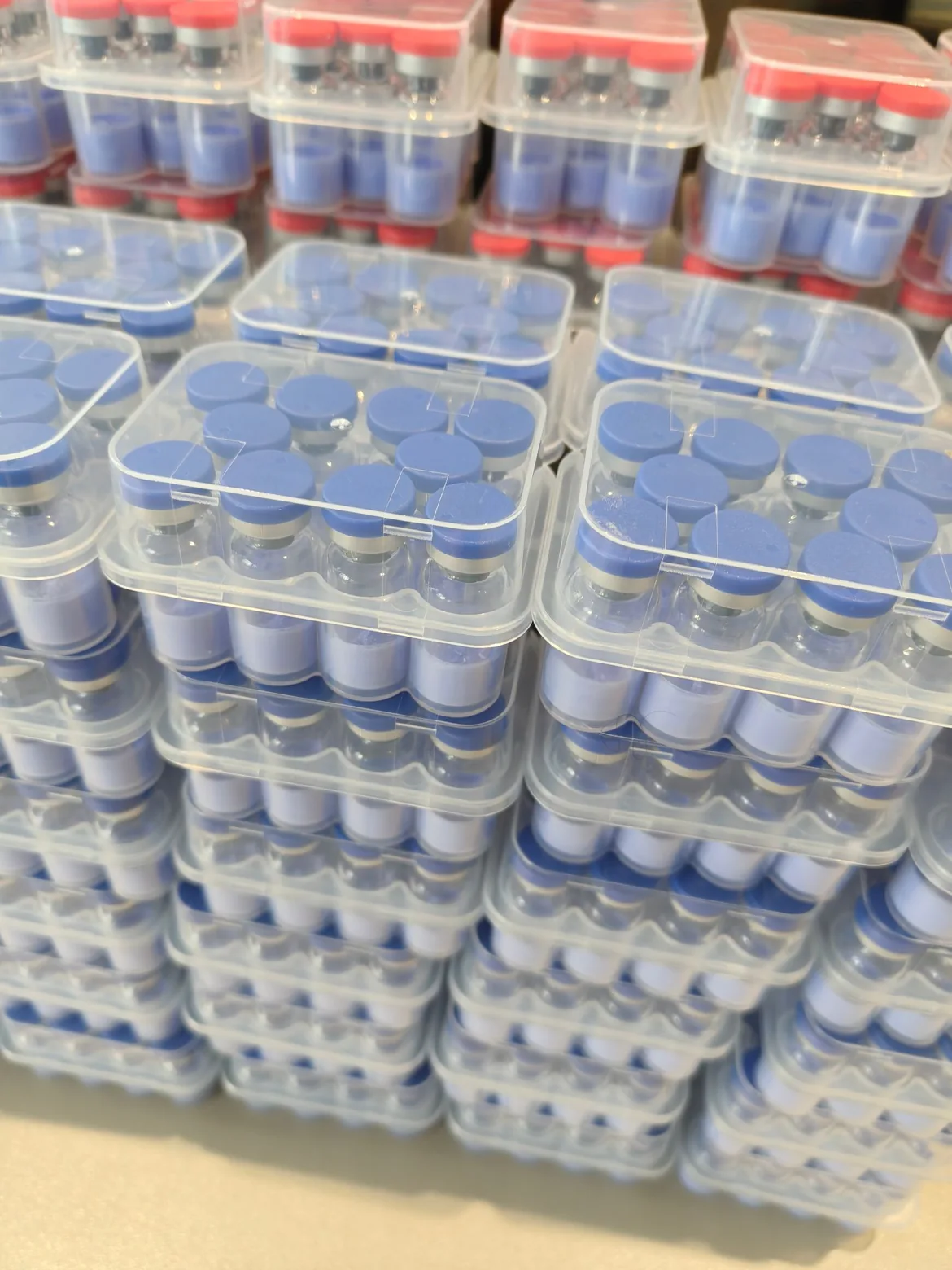
Consider the complete shipped presentation
The final shipping presentation includes the vial assembly, kit holder, outer packaging and identification system. A component-selection decision does not automatically establish that this combined presentation is suitable for the intended transport route. Record how the vials are arranged and protected from movement and contact within the package.
Keep shipping evaluation separate from component selection
If transport evaluation is required, define the configuration and question before testing. A different kit count, insert or outer box can change the presentation under review. Preserve relevant photographs and records, but do not use a tidy packing image as proof of transport performance. On arrival, compare the condition and identifiers with the dispatch record. Any observed issue should remain connected to the actual package and route so the team can investigate without assuming that every similar vial assembly will behave the same way.
Separate mechanical protection from closure performance
Secondary packaging can reduce movement, abrasion or impact exposure, while the primary container system has its own performance requirements. A transport review should consider how these layers work together without assuming that an undamaged outer box proves the condition of every vial. Define the proposed arrangement, component count, cushioning and handling scenario. The evaluation should represent the intended configuration closely enough that the findings can support a meaningful packaging decision rather than only demonstrate that one parcel survived one journey.
Choose a challenge and inspection plan with a rationale
The appropriate evaluation depends on the distribution scenario and the risks identified for the product and package. Specialists should determine which challenges, measurements and acceptance criteria are relevant. Record the specimens, packaging arrangement and inspections before and after the work. Where temperature exposure or another condition matters, address it as a separate defined question. Avoid promising protection across all routes based on a limited demonstration or presenting a generic transport test as a substitute for product-specific assessment.
Use receiving observations to improve the packaging record
Photographs, damage descriptions and component-level findings from actual receipt can help identify questions for investigation. Link those observations to the shipment and packaging configuration. Distinguish confirmed damage from suspected causes, and preserve the relevant items where a technical review is needed. If the packaging is revised, document the change and determine whether further evaluation is required. This creates a feedback loop between the planned configuration and real receiving experience without claiming that every unexplained observation has a known transport cause.